Providencia: The Only B-Certified Mill

  • The company is part of the global movement that promotes purpose-driven businesses, positive environmental impact, and community engagement.

In a world where businesses are increasingly evaluated based on their impact on the environment, B Corporations are positioned as a new global standard for organizations that meet high standards of environmental management, social performance, transparency, and governance. The international certification, granted by B Lab, recognizes companies that place purpose at the center of their business model, measuring their impact on employees, communities, customers, and the environment.

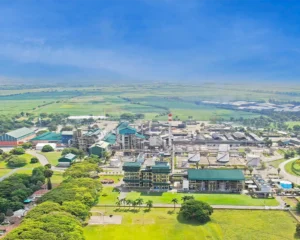
Currently, more than 10,000 companies worldwide are part of the B Corporation movement. In Latin America, they exceed 1,000, and in Colombia, more than 120 companies are certified. Among them, Providencia stands out as the only sugar mill in the world to receive this distinction.

A Purpose-Driven Business Model

Certification as a B Corporation recognizes a business model that not only seeks financial results but is also committed to generating collective well-being and regenerating the environment in which it operates through daily decisions that strategically integrate social, environmental, and economic considerations.

“Certification as a B Corporation is not a destination, but the validation of a path we have been following for decades. It reflects conscious business decisions and a way of operating aligned with care for the environment, people, and the territory,” said Angie Riascos, Sustainability Director at Providencia.

In the environmental component, the company has consolidated an operation based on principles of agro-industrial sustainability. Twenty-six years ago, Providencia was a pioneer in Colombia in the production of organic sugar, developing a cultivation model free of agrochemicals and highly efficient in resource use, which today supplies 18 countries with a natural, certified product.

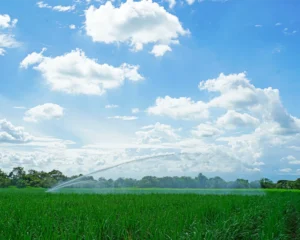
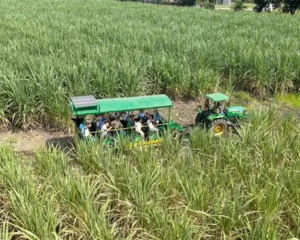
his commitment extends to the entire agricultural operation, where highly efficient irrigation systems (pivots, laterals, and drip) have been implemented, saving up to 50% of water. In addition, Providencia has a fully mechanized harvest, eliminating sugarcane burning and contributing to improved air quality.

In parallel, Providencia Ecological Park is a conservation area protecting more than 303 bird species, 30 water sources, and nearly 450 plant species. Since 2016, over 373,000 trees and shrubs have been planted in this territory, contributing to the restoration of two key ecosystems in Colombia: the Tropical Dry Forest and the High Andean Forest.

Commitment to People

Providencia’s social impact has also been key in its path to B Corporation certification. Its strategy includes investments in education, connectivity, leadership, and access to technology in rural areas of Valle del Cauca. One of its most representative projects is Providencia School, the largest social initiative in Colombia’s sugar sector, which has provided comprehensive education from early childhood to technical and technological careers since 1961.

Additionally, the well-being of its more than 3,000 employees and their families is a priority. In 2024, Providencia allocated over 21 billion pesos in benefits and awarded 130 university scholarships to employees’ children as part of its commitment to education and holistic development.

Furthermore, the mill has developed various initiatives to strengthen access to education and culture in rural areas of Valle del Cauca. These include improving library infrastructure in eight educational institutions, including the transformation of old sugarcane transport wagons into learning spaces. These actions have directly benefited 1,070 students and more than 15,900 people, facilitating access to technological resources, cultural programs, and digital literacy.

Other programs, such as the Leaders School and Cultivating Talents, promote the use of free time, creativity, critical thinking, and skills for the future among rural children and youth.

A Purposeful Path of Transformation

This certification is not an isolated achievement. It reflects the transformation Providencia has undergone to consolidate a business model that generates value beyond economic performance. Since 2019, the company has held Bonsucro certification, which validates sustainability across the entire sugarcane, sugar, and alcohol production process.

Thus, B Corporation certification—a recognition awarded to companies described by the global movement as “Good Companies for the World”—is the result of a journey that integrates a culture of continuous improvement and a structured, consistent social investment aimed at strengthening education, employment, and community development.

Environmental Commitment with Measurable Impact

Large companies have the unique power to influence entire value chains, set new industry standards, and demonstrate on a large scale that another economic model is possible. It is not just about minimizing negative impacts but leveraging resources and influence to maximize positive benefits for society and the planet. “At Providencia, success is measured by the well-being they generate for everyone,” explained Camilo Ramírez, Executive Director of Sistema B Colombia.

Providencia continues to strengthen its business model based on triple impact. Beyond operating efficiently, the company drives initiatives that regenerate ecosystems, promote access to education in rural areas, and amplify its positive impact on communities. Being a B Corporation is not just a certification; it is a way of doing business that evolves with the challenges of the country and the planet.

25 years leading Organic Sugar

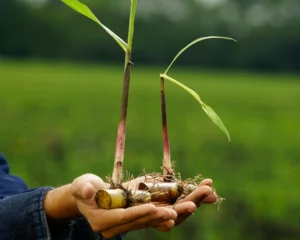
  • Organic sugarcane crops promote biodiversity, improve soil health, and reduce their carbon footprint by eliminating chemicals and adopting certified sustainable practices.
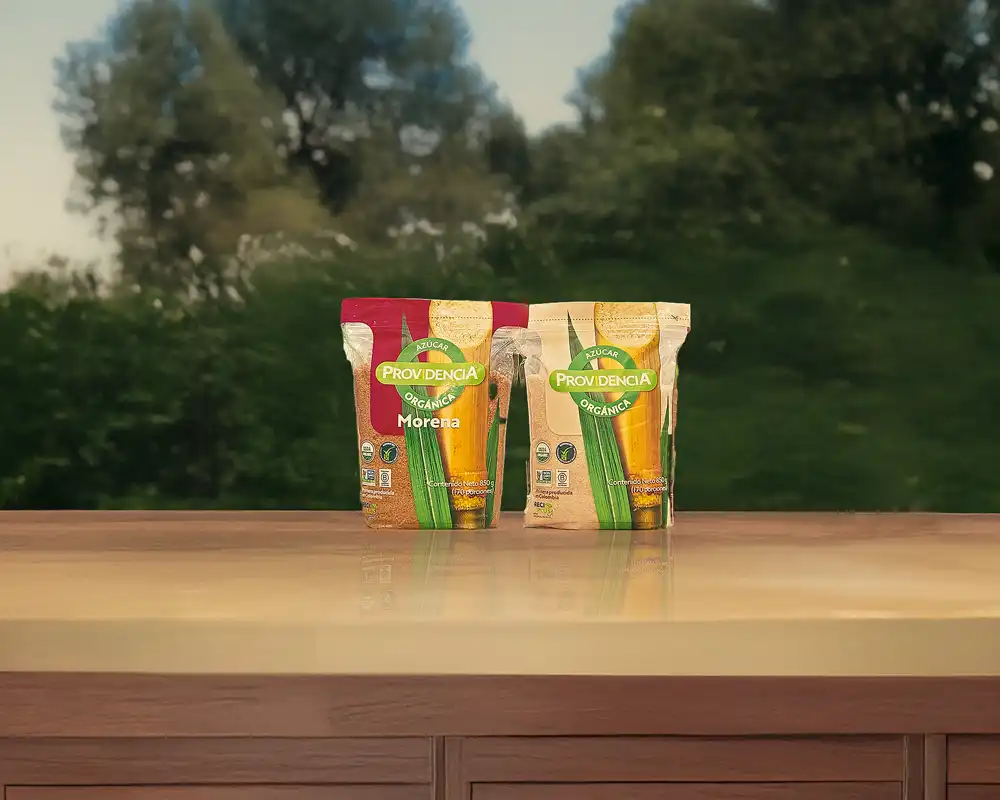
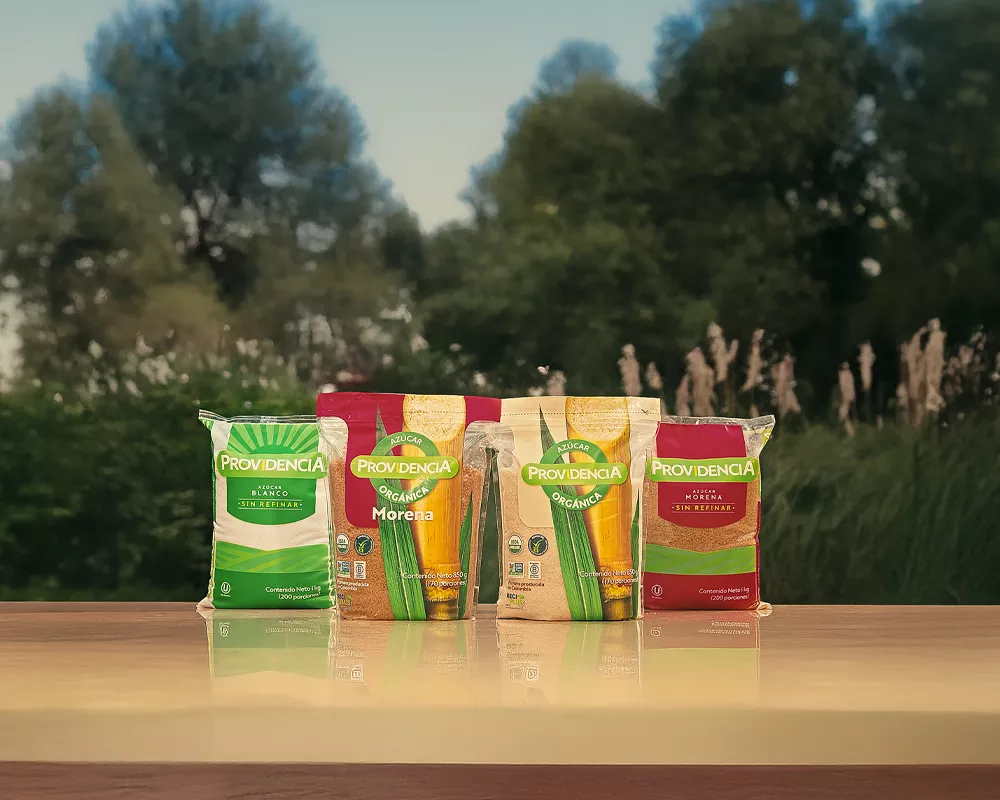
  • In celebration of Providencia’s 25th anniversary of organic sugar, the company is launching a limited-edition packaging, with 90,000 units of 850-gram organic sugar and 90,000 units of 454 grams available nationwide.

Valle del Cauca, Colombia. October 7, 2024 – Twenty-five years ago, Providencia, a leading company in Colombia’s sugarcane agroindustry, decided to invest in a product aligned with its sustainability strategy. This marked the first time organic sugar was produced in Colombia—a natural product made from 100% certified organic cane. With this initiative, Providencia became a pioneer in the industry, demonstrating that innovation and sustainability can go hand in hand.

Today, a quarter of a century later, Providencia reaffirms its commitment to producing environmentally friendly organic sugar. In fact, figures from the most recent Euromonitor International study support this purpose: the consumption of organic sugar in Colombia has increased over the past year, as more Colombians prefer products that not only meet their nutritional needs but also align with their values of environmental responsibility. Consuming organic foods is an effective way to protect future generations, prevent soil erosion, and maintain water quality. Organic farming works in harmony with nature.

With the goal of optimizing its industrial processes and promoting better practices, Providencia has integrated Agriculture 4.0 technologies into its organic sugarcane crops. This approach, which uses advanced tools, has allowed the company to optimize every stage of cultivation, improving resource efficiency and ensuring precise and sustainable production.

Similarly, Providencia has implemented biological pest control, using natural predators instead of synthetic chemicals, ensuring a more balanced and healthy ecosystem. Thanks to these processes, the result is high-quality organic sugar, free of chemicals and with a higher content of essential nutrients. Processed on the same day as harvest, it guarantees a fresh and natural product, ideal for those seeking healthier and more sustainable options.

Sugar That Transcends Borders

Providencia’s organic sugar has established itself as a leading product in the international market. Present in 18 countries, including destinations such as the United States, South Korea, Germany, Canada, Italy, the United Kingdom, and France, the company demonstrates its commitment to quality and consumer satisfaction worldwide.

“We are celebrating! Not only because we were pioneers in producing organic sugar, but also because these 25 years reaffirm our commitment to sustainability, blending tradition with innovation. Our approach goes beyond meeting market demands: we work to preserve the balance of our environment, driving an agroindustry that not only sweetens but also protects and strengthens ecosystem sustainability,” said Vicente Borrero, General Manager of Providencia.

Limited-Edition Packaging

In commemoration of the 25th anniversary of organic sugar, Providencia is launching a new limited-edition packaging with 90,000 units of 850-gram organic sugar and 90,000 units of 454 grams, available nationwide. This new design celebrates the company’s journey through illustrations created with artificial intelligence tools. The images were generated using detailed descriptions and real photos, while the pencil-style illustrations reflect Providencia’s processes.

Renowned artist Enrique Wilches, highlighted by Archive magazine, was responsible for creating the new design. He captured Providencia’s continuous dedication to sustainability and innovation on the packaging. This new design invites consumers to join the celebration and choose a product that not only sweetens but also cares for the planet.

Providencia, a pioneer in producing organic sugar in Colombia, will celebrate two and a half decades of commitment to sustainable agriculture throughout the remainder of the year.

Four Reasons to Use Sugar in Your Meals

Sugar plays essential roles in the kitchen beyond just adding sweetness. It caramelizes, stabilizes, provides structure, and transforms flavors.

Few products are as present and versatile in the kitchen as cane sugar. Beyond its sweetness, this natural ingredient plays a key role in culinary processes that make food not only taste better but also have better texture, color, and consistency.

Providencia, one of the leading sugar producers in the country and a pioneer in the development of organic products, reminds us that behind a spoonful of this ingredient, there is science, tradition, and innovation. That’s why the company highlights four ways in which this traditional ingredient positively transforms the texture, flavor, and experience of food:

  • Fluffy Texture: Baking with Science

Sugar not only sweetens but also plays a crucial role in the texture and structure of baked goods. When beaten with butter or other fats, it incorporates air into the mixture, creating tiny bubbles that help form lighter and fluffier doughs, like in cakes, muffins, or cookies.

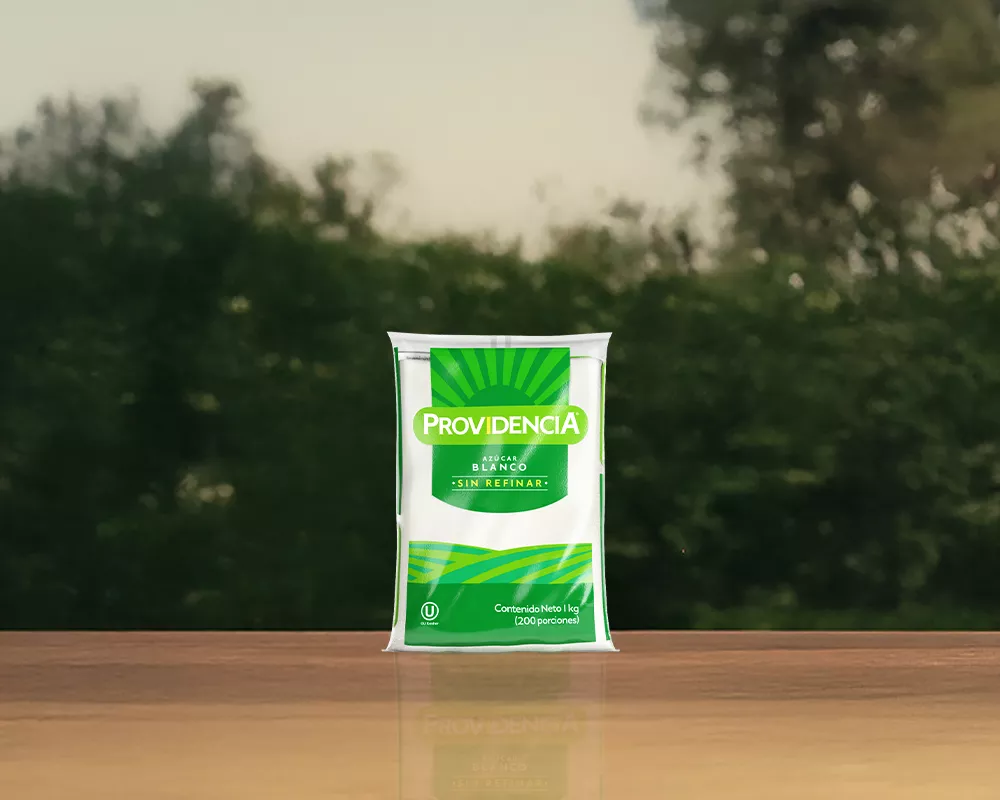
Additionally, sugar helps retain moisture in preparations, prolonging freshness and preventing quick drying. That’s why products like Providencia White Sugar are ideal for baking recipes: its uniform grain allows for efficient mixing, ensuring volume, softness, and preservation with every bake. Thanks to its dual function—structural and preservative—sugar is an indispensable ally in baking.
  • Caramelization: The Art of Browning with Flavor

Did you know that the sweet touch of a well-caramelized onion intensifies with a pinch of sugar? This magic happens thanks to a chemical reaction known as caramelization, triggered by sugar when heated to temperatures between 130°C and 160°C.

During this process, sucrose molecules break down and form new compounds that provide golden hues, toasted aromas, and a distinctive flavor. To achieve this, just a small amount of sugar and patience are needed: slow and constant heat is key. For an even more delicious result, you can use Providencia White Sugar, Brown Sugar, or Providencia Organic Sugar, which are ideal for intensifying flavors in sauces, glazed meats, and desserts.

“A good tip for achieving perfect caramelization is not to stir the food too much while it’s cooking. Letting the sugar melt and darken slowly allows the flavors to develop better,” says Lucho Cook, chef and gastronomic ambassador for Providencia.

  • Maillard Reaction: The Secret to Irresistible Flavor

When we cook foods that contain proteins and reducing sugars, like meat, bread, or cookies, at temperatures between 140°C and 165°C, the Maillard reaction occurs. This chemical transformation, discovered by French chemist Louis-Camille Maillard in 1912, is responsible for the appetizing golden color and deep, toasted flavor that we associate with a well-seared steak, a fried meatball, or a freshly baked cookie. During the process, hundreds of flavor compounds are generated that evolve as cooking progresses.

Although it is sometimes confused with caramelization, the Maillard reaction is a distinct and crucial phenomenon for developing complex flavors.
  • Stability in Beverages: Creaminess, Balance, and Freshness

In preparations like ice cream, cocktails, or vinaigrettes, sugar performs functions that go beyond sweetness. In ice cream, for example, it helps reduce the freezing point, resulting in a smoother, creamier texture, while also preventing the formation of large ice crystals.

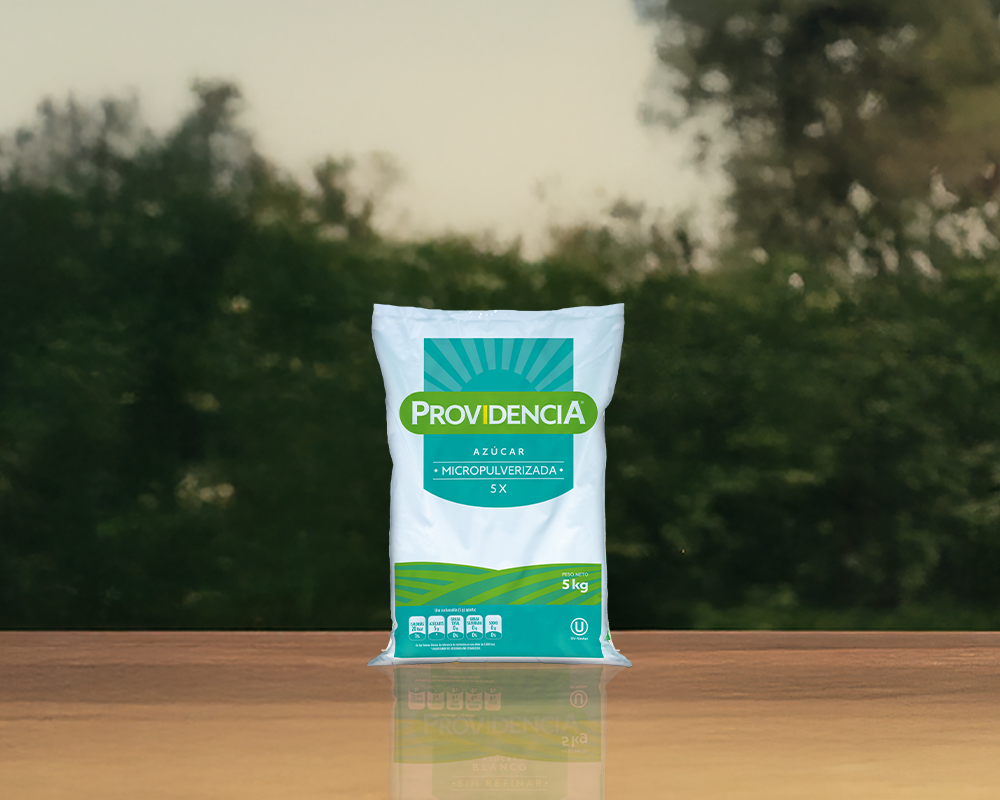
In mixology, the art of creating cocktails by balancing flavors, aromas, and textures, sugar is used to achieve quick and uniform dissolution in cold drinks. A great option for this is Providencia Micro Pulverized Sugar, which, due to its ultra-fine texture, dissolves easily without the need for heating, facilitating perfect ingredient integration. It is also ideal for vinaigrettes, where it softens the acidity of the vinegar, helping to achieve a more balanced flavor profile.

Understanding how sugar works in cooking allows for better choices, better cooking, and more enjoyment. Because when there is knowledge, there is enjoyment.

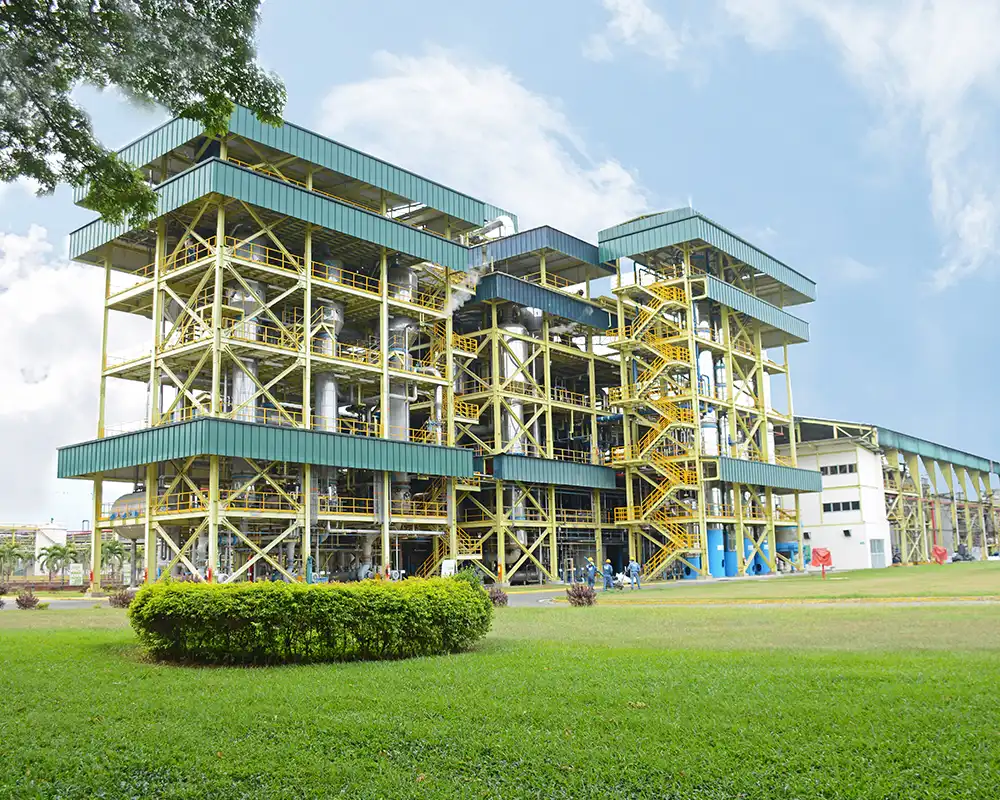
And this same knowledge also invites us to look beyond the kitchen. Behind each spoonful, there is also a tangible commitment to sustainable development. In the economic realm, Providencia materializes its efforts not only in sugar production but also in bioethanol, renewable electricity, and organic compost, among others. This comprehensive approach generates 3,640 direct jobs and provides concrete solutions to social and environmental issues. For this reason, Providencia is the only sugar-alcohol mill in the world certified as a B Corporation, a recognition that highlights companies using market power for the common good.

Discover Providencia Ecological Park

-On World Animal Day, Providencia Ecological Park stands out as a space that allows for conscious interaction with nature.
-Its model combines active conservation and nature tourism in a guided environment accessible to the public.

A report from the World Health Organization (WHO) showed that contact with nature improves mental health, reduces stress, and enhances overall well-being. However, for these environments to continue fulfilling that role, it is necessary to engage with them consciously, ensuring their protection. Therefore, on the occasion of World Animal Day, celebrated every October 4th, the conversation about human well-being also involves recognizing the value of conserving ecosystems and the species that inhabit them.

The benefits that natural environments offer to people are possible thanks to the ecosystems that sustain them and the biodiversity that inhabits them. Colombia, with its variety of climates, thermal floors, and ecological regions, concentrates a biological biodiversity that makes it a key territory for conservation. This wealth is not only an environmental asset, but also a responsibility for its protection.

In Valle del Cauca, one of the departments with the greatest ecosystemic diversity in the country, Providencia Ecological Park has become a space for active conservation of biodiversity and ecotourism. Created in 2016 by Providencia as part of its sustainability strategy, the park contributes to the conservation of the Amaime River basin and promotes a model that demonstrates that it is possible to responsibly inhabit nature through educational activities, guided tours, and experiences that strengthen the connection with the environment.

A space designed for conservation and education

Providencia Ecological Park spans 524 hectares divided into two areas: the Providencia Reserve (414 hectares), located in the upper part of the Amaime River basin, and the Piedechinche Hacienda (110 hectares), where public activities are held. While the Reserve focuses on the protection of strategic ecosystems, the Hacienda integrates actions of ecological restoration, wildlife monitoring, and programs for students, visitors, and organized groups.

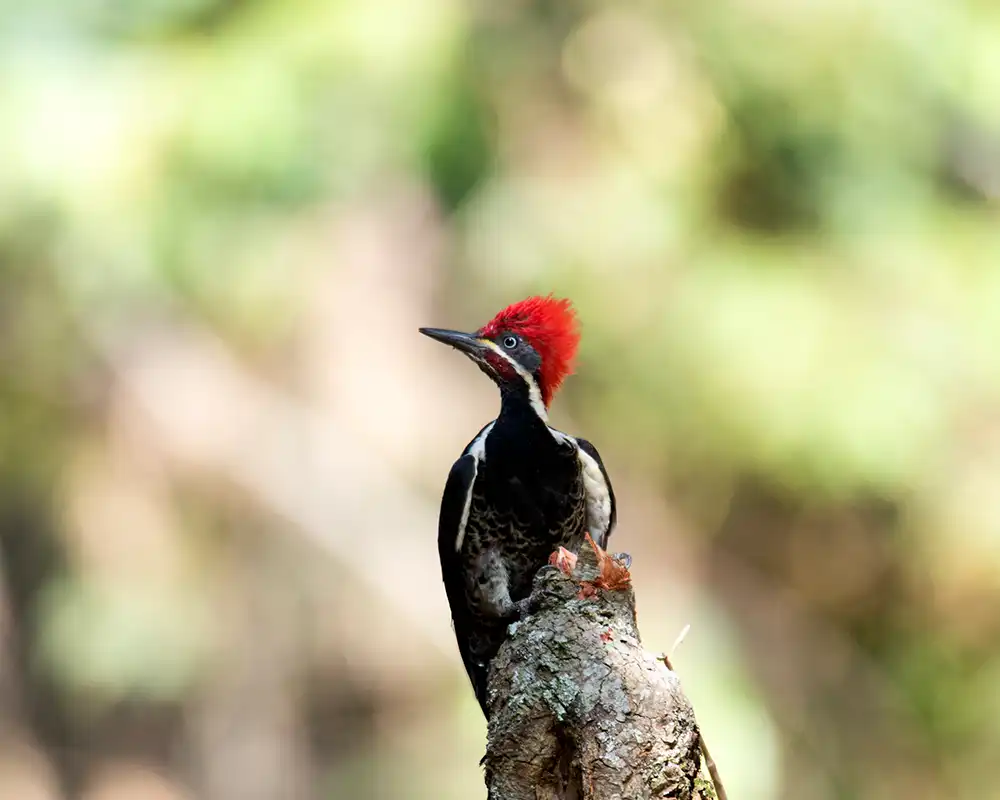
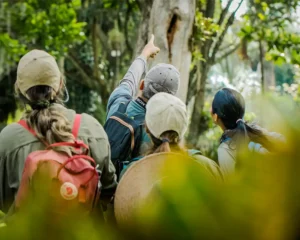
The experience at the Park combines guided tours along ecological trails, birdwatching areas, and cultural activities that allow visitors to explore the environment safely and with guidance. Among the most visited spaces are the Bird Garden and the Caracolí Trail, where local species can be observed in an environment designed to attract them, as well as a shaded walk through native trees.

This tour, designed to strengthen people’s relationship with the natural environment without disrupting its balance, is not just recreational. By visiting the Park, people also connect with a conservation and restoration business project with concrete impacts on biodiversity. Since its creation, more than 380,000 trees of native species have been planted, focusing on the recovery of the Tropical Dry Forest and the High Andean Forest. These ecosystems, among the most threatened in the country, play a key role in climate and water regulation, soil protection, and habitat for sensitive species.

To date, more than 110 hectares of vegetation cover have been restored, and nearly 300 bird species have been recorded. Through monitoring with camera traps and scientific records, the Park has also documented the presence of species like the cane fox and the jaguarundi, which directly depend on these ecosystems for survival.

This project has been key to monitoring wildlife in restored areas. Thanks to this tool, the presence of mammals such as the puma (Puma concolor), ocelot (Leopardus pardalis), and soche deer (Mazama rufina), as well as numerous species of birds and small nocturnal mammals, has also been recorded. These findings confirm the ecological value of the Park as a refuge for native wildlife, in addition to its contribution of technical information to guide conservation actions in the area.

Services, spaces, and visitor access

Providencia Ecological Park is open to the public through guided tours. These tours offer firsthand knowledge of the richness of the Tropical Dry Forest, birdwatching at various points on the property, and walking ecological trails. Additionally, there are complementary spaces such as the La Ramada restaurant, which offers typical dishes like valluna pork chop, empanadas, and sugarcane guarapo, alongside a store with local products and a meeting room for educational or corporate events.

Access is by prior reservation and in guided tour format. The general fee is $19,000 COP, with discounts available for school groups, senior citizens, international visitors, birdwatchers, and institutional guests. The parking area also has spaces for private vehicles, buses, and motorcycles.

A space designed for conservation and education

Providencia Ecological Park spans 524 hectares divided into two areas: the Providencia Reserve (414 hectares), located in the upper part of the Amaime River basin, and the Piedechinche Hacienda (110 hectares), where public activities are held. While the Reserve focuses on the protection of strategic ecosystems, the Hacienda integrates actions of ecological restoration, wildlife monitoring, and programs for students, visitors, and organized groups.

The experience at the Park combines guided tours along ecological trails, birdwatching areas, and cultural activities that allow visitors to explore the environment safely and with guidance. Among the most visited spaces are the Bird Garden and the Caracolí Trail, where local species can be observed in an environment designed to attract them, as well as a shaded walk through native trees.

This tour, designed to strengthen people’s relationship with the natural environment without disrupting its balance, is not just recreational. By visiting the Park, people also connect with a conservation and restoration business project with concrete impacts on biodiversity. Since its creation, more than 380,000 trees of native species have been planted, focusing on the recovery of the Tropical Dry Forest and the High Andean Forest. These ecosystems, among the most threatened in the country, play a key role in climate and water regulation, soil protection, and habitat for sensitive species.

To date, more than 110 hectares of vegetation cover have been restored, and nearly 300 bird species have been recorded. Through monitoring with camera traps and scientific records, the Park has also documented the presence of species like the cane fox and the jaguarundi, which directly depend on these ecosystems for survival.

This project has been key to monitoring wildlife in restored areas. Thanks to this tool, the presence of mammals such as the puma (Puma concolor), ocelot (Leopardus pardalis), and soche deer (Mazama rufina), as well as numerous species of birds and small nocturnal mammals, has also been recorded. These findings confirm the ecological value of the Park as a refuge for native wildlife, in addition to its contribution of technical information to guide conservation actions in the area.

Services, spaces, and visitor access

Providencia Ecological Park is open to the public through guided tours. These tours offer firsthand knowledge of the richness of the Tropical Dry Forest, birdwatching at various points on the property, and walking ecological trails. Additionally, there are complementary spaces such as the La Ramada restaurant, which offers typical dishes like valluna pork chop, empanadas, and sugarcane guarapo, alongside a store with local products and a meeting room for educational or corporate events.

Access is by prior reservation and in guided tour format. The general fee is $19,000 COP, with discounts available for school groups, senior citizens, international visitors, birdwatchers, and institutional guests. The parking area also has spaces for private vehicles, buses, and motorcycles.

A commitment that transcends the landscape

The commemoration of World Animal Day invites us to reflect on the need to protect not only species but also the spaces they inhabit. Nature offers real benefits to people: health, balance, and well-being. Therefore, protecting it is also a way of giving back what we receive from it. At Providencia Ecological Park, this task translates into concrete land management that promotes conservation, education, and responsible access to ecosystems.

“The existence of this Park demonstrates that the private sector can play an active role in the recovery and protection of biodiversity, in coordination with communities and the environment. At Providencia, we understand that conservation is a corporate responsibility, which is why we seek to create shared value by protecting biodiversity, educating from the land, and offering people a conscious and enjoyable way to inhabit nature,” said María Leonor Velásquez Rasch, director of Providencia Ecological Park.